Innovation
Writers don't file patents.
I filed twelve.
The first one: Webex Orbit
Conceived September 2019 inside Cisco's Innovate Everywhere contest. The question was simple: what if location-aware services could appear automatically when you walked into a place, then disappear when you left?
No app downloads. No login. Just the right experience, in the right context, for as long as you were there.
I designed the system architecture, wrote the disclosure, did the UX, named it. Engaged Apple Clips as prior art on page three. Filed September 2020. Granted as US 11,729,584 in August 2023.
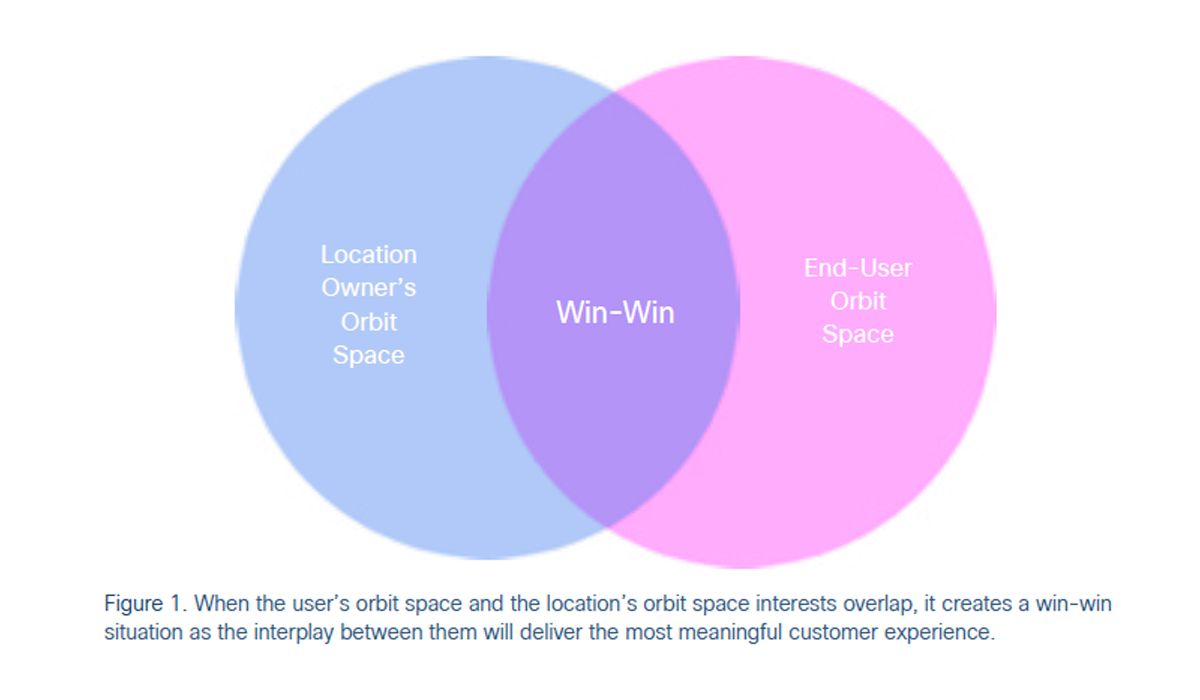
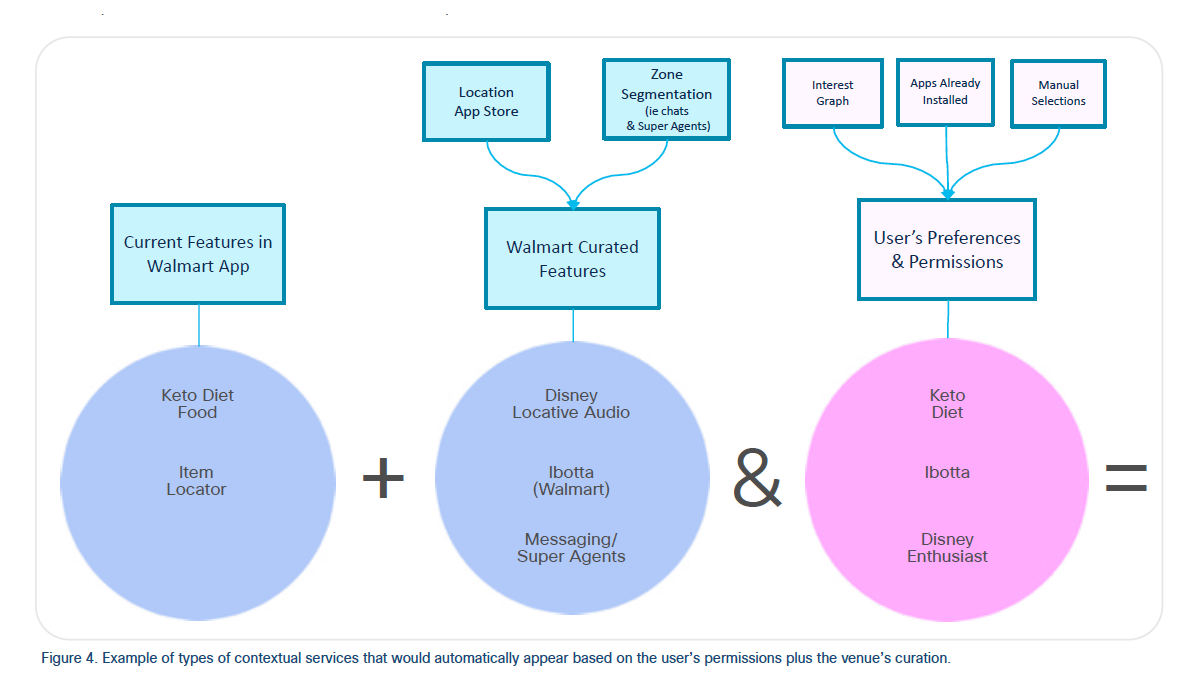
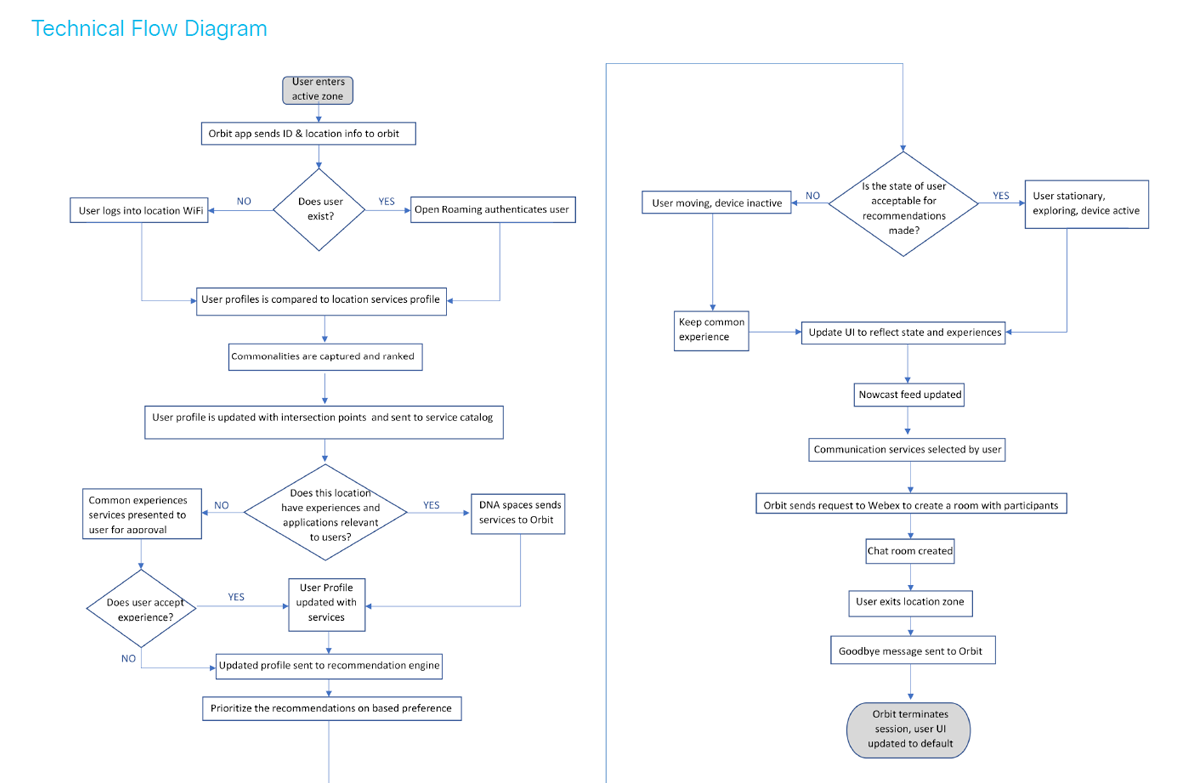
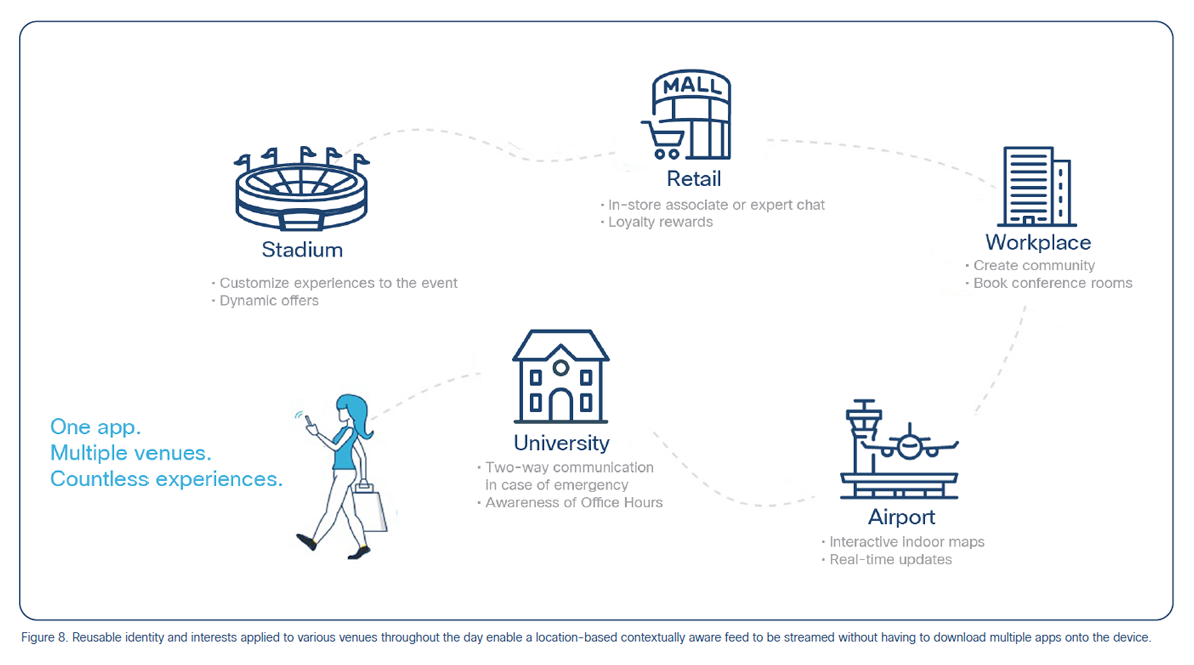
The system architecture: from concept (Win-Win overlap) to use case (Walmart) to engineering (technical flow) to vision (multiple venues).
View patent on Google Patents →Issued
-
US 12,212,819In-band metadata for authenticity and role-based access in enterprise video streaming servicesGoogle Patents →
Pending
-
US 2022/0414348 A1Context-aware conversation comprehension equivalency analysis and real-time translationGoogle Patents →
-
US 2024/0395072 A1Techniques for authenticating a userGoogle Patents →
-
US 2023/0023723 A1Transparent security and policy enforcement for low-code orchestrationGoogle Patents →
Principal AI
Eight provisional patents filed in 2025. Same pattern as Cisco: question first, system second, patent third.
-
Agents need context. Humans need to know what the agent knows.
-
Narrative units you can add, subtract, compare, and transform.
-
Agents write code faster than humans can understand it. Behavioral contracts bridge the gap.
-
You declared what should happen. Did it actually happen?
Plus four more in architectural supervision, documentation synchronization, context coordination, and repository understanding.
A patent is a brief with a longer deadline. A startup is a brief you wrote yourself.